Every quote starts with a quick conversation. Share a few details here and we will price out Chimney Air Vent Services Tsawwassen
It is easy to think of a chimney as a fireplace accessory, but it is also part of the roof, the walls and the frame of the house. When one piece fails, water and heat can reach places they were never meant to go. For homeowners in Tsawwassen who typed “chimney air vent services” into a search bar, the answers on this page explain chimney air vent service in everyday language, from the first warning signs to what happens once the work is done.
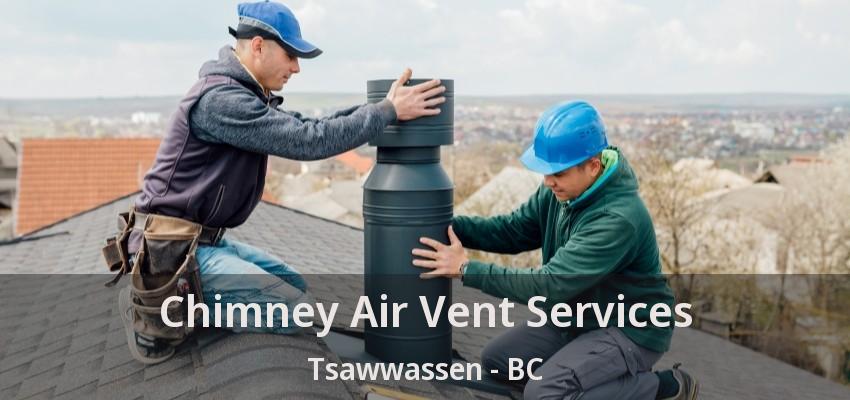
A chimney’s parts fall into three groups: the weatherproofing outside, the flue liner inside and the working parts at the bottom. Weatherproofing means the cap, the crown, the flashing and the face of the bricks and mortar. The liner is the channel that handles heat and corrosive exhaust. Down at hearth level are the pieces people actually touch, such as the damper handle, the firebox walls and the ash dump door. On a prefab system, a framed chase and its sheet metal top replace the brick. When we diagnose a problem, we trace it to one of these groups first, because that decides what the fix looks like.
A fireplace smokes into the house when the chimney is not drawing strongly enough to pull the exhaust up and out. Common causes include a closed or partly closed damper, a blocked flue or cap, a cold chimney that has not warmed up yet, a chimney that is too short for the fireplace, and a house under negative pressure because exhaust fans or a tightly sealed building compete for air. Try opening a nearby window slightly when you light the fire. If smoke still spills, stop using the fireplace, have the chimney and venting checked and make sure your carbon monoxide alarms work.
Treat it as real: get everyone, pets included, out of the house and call 911 or the fire department from outside. Do not stay behind to open windows or hunt for the cause. Once the home has been cleared as safe, the venting needs a proper check before any fuel-burning appliance runs again, since a blocked flue, a loose vent connector or a starved fresh-air inlet can all push exhaust back indoors. People who search for “chimney air vent services” after an alarm should mention it when they call, so the technician starts with the vents, flue and connections serving the appliances closest to that alarm.
A fresh-air vent is checked from both ends. Outside, the technician finds the inlet hood, removes leaves, nests or lint from its screen and makes sure nothing such as a shrub or a stack of firewood blocks it. Inside, the control at the fireplace or stove is opened and closed to confirm the flap moves and seals. The duct between the two is inspected for crushing, gaps or disconnections, which often happen during renovations or when insulation is added. Finally, a small test fire or a smoke check shows whether the air actually reaches the firebox. Expect this on most chimney air vent service visits.
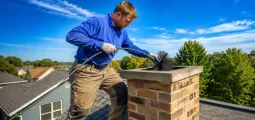
Not every repair needs the roof, and when one does, we plan safe access before we arrive. Work at the top of the stack means ladders, roof brackets or harnesses tied to a secure anchor, plus soft-soled footwear and pads to protect shingles. Steep or high roofs may call for extra equipment or a second technician. Wet, icy or very windy weather puts roof work on hold, because no repair is worth a fall. Jobs at the bottom of the chimney, such as an ash dump, a throat damper or a stove connection, keep us indoors, where the main concern is protecting floors and furniture from soot and dust.
A common guideline is to have a chimney inspected once a year, and many homeowners schedule it before the colder months when the fireplace sees more use. Yearly checks catch small problems such as a loosening cap, a new crack in the crown or a worn mortar joint before they let water in. It also makes sense to have the chimney looked at after a major storm, a chimney fire, a roof replacement or any change of insert, stove or appliance. Chimneys that are rarely used still need checking, because weather damages them whether or not you light fires.
Most chimney repairs are not do-it-yourself jobs, mainly because they involve working at height on a roof or inside the flue, where mistakes affect safety. What homeowners can do safely is watch and report: look at the chimney from the ground with binoculars, check the attic and walls near the chimney for stains after rain, keep the hearth area clear and open and close the damper now and then to make sure it moves freely. Leave masonry, flashing, caps, liners, fans and anything connected to a gas appliance to a professional. Patching with roofing tar usually hides a problem rather than fixing it.
A few direct questions reveal a lot about a chimney repair contractor:
Clear, specific answers are a good sign. If the replies stay vague or the price changes without explanation, it is reasonable to get another opinion before agreeing to the work.
Comparing chimney repair quotes is easiest when each one describes the same work. Check that every quote names the parts being repaired, the materials, how far the work extends, for example the whole chimney or just the top courses, and whether clean-up, disposal and any permits are included. Look at how each company would handle extra damage found during the job. A much lower quote often covers less: a sealant coating instead of a new crown, or patching a few joints instead of repointing the weathered side. A fair quote is specific, in writing and explained without pressure.
Most problems with your chimney start small and grow when they are left alone for a few seasons. If something on this page sounded familiar, have it checked while it is still minor. Call Chimney Sweep Tsawwassen at (778) 601-9107 to arrange a visit in Tsawwassen.
A swept flue and plain answers: Chimney Cleaning in Tsawwassen
Careful Chimney Sweep for wood fireplaces and stoves in Tsawwassen
From roof cap to firebox, Chimney Sweep Services in Tsawwassen
Before relighting in Tsawwassen, a visit from Fireplace Experts
Fireplace smell at startup? Gas Fireplace Cleaning in Tsawwassen
A record of every Gas Fireplace Maintenance visit