Every quote starts with a quick conversation. Share a few details here and we will price out Chimney Cover Services Tsawwassen
Buying a home, getting ready to sell or simply planning the year’s upkeep can all bring the chimney into focus. An inspection report might mention it, or a neighbor might point out something odd on the roof. People in Tsawwassen who search for “chimney cover services” at moments like these want straight facts, and that is what this page offers: a calm, practical look at chimney cover service, what it involves and how to plan for it sensibly.
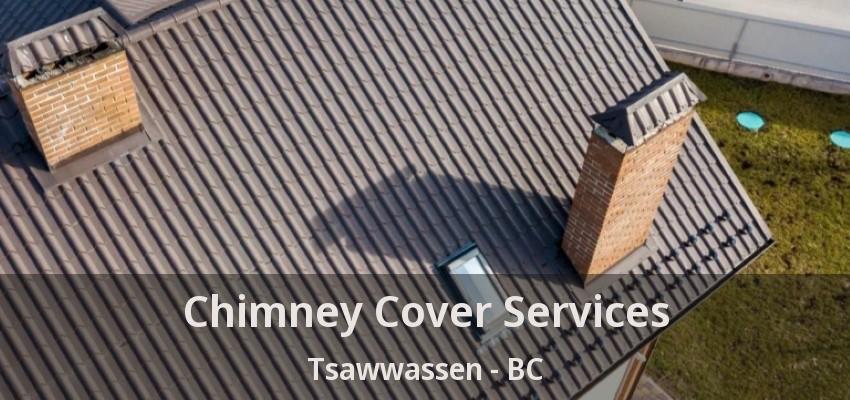
Chimney repair is important because a chimney has two jobs that both depend on it being sound: carrying smoke and combustion gases out of the house, and keeping rain and snow out of the structure. A cracked crown, a loose cap or a failing seal lets water into the masonry, the roof framing and the walls around the fireplace, and that kind of damage spreads quietly. A fault inside the flue can let heat or gases reach places they should not. A fireplace that still lights is no proof that everything is fine, so it pays to fix small problems while they are still small and inexpensive.
Sometimes yes, often no, and the deciding factor is whether the damage touches the path the smoke takes. A chipped brick on the outside of the stack is not going to change how the fire drafts tonight. A broken flue tile, a liner with gaps, a crown that lets rain pour into the flue or a fan that has stopped running can. When we are asked this on the phone, we usually suggest leaving the fireplace or stove cold until the chimney has been checked. A few quiet evenings cost nothing, and a carbon monoxide alarm near the bedrooms is cheap protection in any home with a fuel-burning appliance.
A well-fitted cover with intact mesh keeps most animals out, but it only works while it stays sound. Squirrels and raccoons test weak points, so a cover with a bent corner, a torn screen or a gap at the base can be pried open. Mesh openings need to be small enough to stop birds yet large enough not to clog with soot. Checking the cover once a year, ideally during a sweep, catches damage early. If animals are already inside, they need to be removed before the cover goes on. A thorough chimney cover service visit includes checking every side of the mesh, not just the top.
A leaking chimney almost always has one of a few causes: a missing or damaged cap, a cracked crown, failed flashing where the chimney meets the roof, or porous bricks and mortar soaking up rain. On factory-built chimneys, a rusted or flat chase cover is a frequent culprit. Water may show up far from where it enters, running along the flue or the framing before it appears as a stain. Note when the leak happens, whether in every rain or only when wind blows from one direction, and where you see it. Those details help narrow down the source quickly.
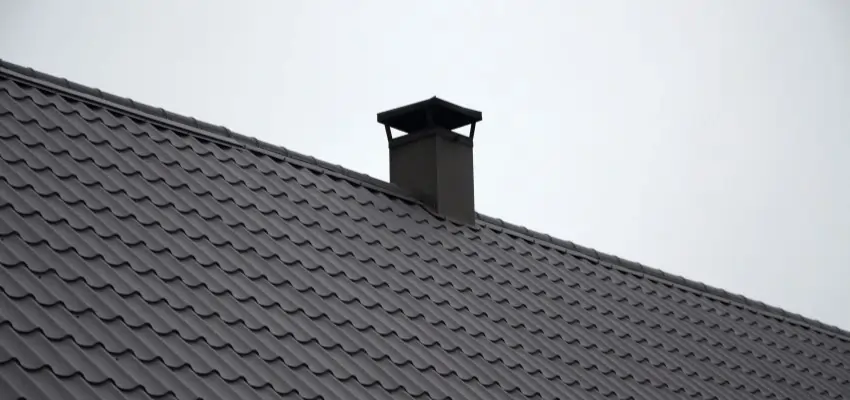
A full-width cover, sometimes called a multi-flue cap, is a single metal hood that sits over the entire top of a chimney rather than one flue. It is fastened to the crown or the outer bricks and has mesh sides all around. It makes sense when a chimney has several flues close together, when individual tiles are too short or damaged to clamp a cap to, or when the crown needs shelter from direct rain. It does not replace crown repair, though. If you are considering one through “chimney cover services”, ask how it will be anchored and whether the flues keep enough clearance below the hood.
Labor, access and materials drive the price, roughly in that order. Labor depends on the size of the repair and whether it can be finished in one visit or needs curing time between stages. Access covers roof height, pitch and anything that makes ladder setup awkward, such as a deck or steep slope below the chimney. Materials range from a tube of sealant to a custom stainless chase cover or a full liner kit. We also leave room in the conversation for surprises, because opening a chimney sometimes reveals more. Our quotes list each part of the work separately, so you can see where the money goes.
Mention what the chimney is made of, what it serves and what you have noticed, because a few details on the phone save a lot of time on the roof. We ask which appliances use the flue, how many stories the house has and how steep the roof is. We ask what you have seen: a stain, debris in the firebox, a stuck handle, a rattling cap, smoke in the room. We ask when it started and whether a roofer or another contractor worked nearby recently. Two quick phone snapshots, one of the chimney top from the yard and one of the problem area inside, often tell us which parts and ladders to bring on the first trip.
The repairs we make hold up longest when the rest of the chimney system is looked after too. That means a cap that stays in place with clear mesh, a crown kept free of leaves and moss, flashing left alone by anyone doing roof work and regular sweeping if you burn wood, because creosote and moisture attack the inside of the flue. We tell homeowners exactly how long to wait before the first fire after masonry work. After that, a glance at the chimney from the yard after big storms and a professional look once a year usually keeps surprises to a minimum.
A few direct questions reveal a lot about a chimney repair contractor:
Clear, specific answers are a good sign. If the replies stay vague or the price changes without explanation, it is reasonable to get another opinion before agreeing to the work.
That is a smart move. Ask each company what is included, how long the visit takes and what you will be shown afterward. We are happy to answer those questions in writing. Request a detailed quote from Chimney Sweep Tsawwassen for your home in Tsawwassen.
A swept flue and plain answers: Chimney Cleaning in Tsawwassen
Careful Chimney Sweep for wood fireplaces and stoves in Tsawwassen
From roof cap to firebox, Chimney Sweep Services in Tsawwassen
Before relighting in Tsawwassen, a visit from Fireplace Experts
Fireplace smell at startup? Gas Fireplace Cleaning in Tsawwassen
A record of every Gas Fireplace Maintenance visit