Every quote starts with a quick conversation. Share a few details here and we will price out Chimney Experts Tsawwassen
Brick chimneys on older houses, insulated metal flues on newer ones, stovepipes, wood-fired ovens and boiler vents all move smoke the same basic way, yet each one ages differently. For property owners in Tsawwassen researching “chimney experts”, the answers that follow explain chimney service in practical terms, with notes on the setups that come up most often and the details worth mentioning when you call a company.

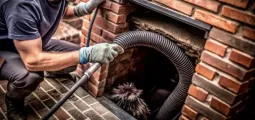
Soot and creosote are different deposits: soot is a dry, powdery carbon dust, while creosote is a tarry residue from wood smoke that can be flaky, sticky or glassy. Soot comes from incomplete burning and can be left by wood, oil or a gas appliance that is not running cleanly. It is lighter and brushes away easily, but it still narrows the flue and can hold moisture and odors. Creosote is the bigger fire concern because of its oily base. Seen from the firebox, soot looks like fine black powder, while creosote looks crusty, shiny or tar-like. A technician adjusts the cleaning to match.
A camera earns its place on almost every visit, because the inside of a flue is the one part of a chimney nobody can see directly, and most serious problems start there. The camera head rides up on a rod with its own light, and the screen shows each joint and tile in turn. That is how we find the hairline crack two thirds of the way up, the liner section that slipped after a storm, or creosote packed above a bend in a stovepipe. Recording it matters too: when we recommend a repair, the footage lets the owner see exactly what we saw rather than taking our word for it.
They compare the inside area of the flue with the appliance it serves. An open fireplace needs a flue large enough for the size of its opening, while a stove or insert needs one close to the size of its outlet. A flue that is too small struggles to carry smoke and often spills it into the room. One that is far too large lets smoke slow down and cool, which builds creosote and weakens draft. Measuring the opening, the outlet and the flue, then looking at chimney height, is part of a thorough chimney service assessment when draft problems persist.
Late spring and summer are often the easiest times to have a chimney swept. The burning season is over, so the flue holds a full year of deposits, and sweeping then clears them before humid weather brings out odors. Appointments are also easier to get than in early fall, when many people remember their chimney at the same moment. Fall still works if you book ahead and leave time for any repairs the visit turns up. Heavy wood burners may add a midwinter check. If something already seems wrong, book right away instead of holding out for a particular month.
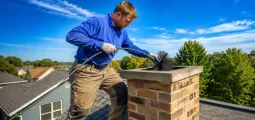
A standard chimney sweep usually takes about an hour to an hour and a half for a single flue. Expect more time if there are several flues, if a stove or insert has to be disconnected, if the roof is steep or high, or if the buildup is heavy or glazed. A camera inspection or a written report adds a little more. Plan to be available for the whole visit and for a short conversation at the end, when the technician explains what was found. If your day is tight, describe your setup when booking so the company can give you a realistic window.
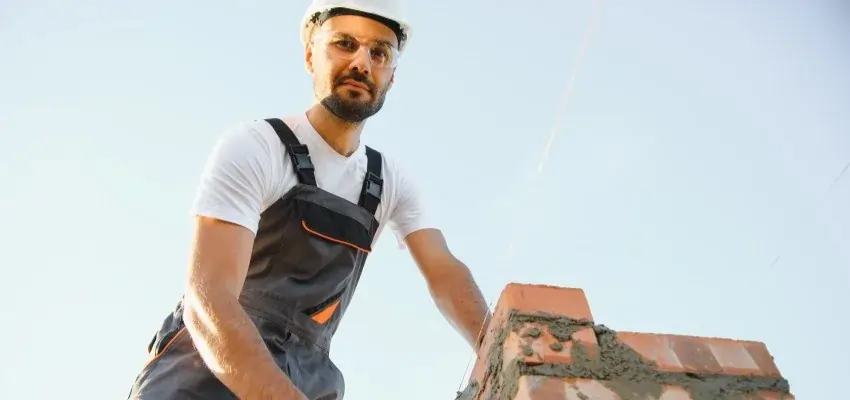
Someone should be home, because almost every chimney visit starts and ends at the hearth. The firebox, damper and smoke chamber are reached from inside, and stoves or inserts may need to be opened up. We also prefer to show the owner what we found while the details are fresh, ideally with photos on a tablet or standing in front of the fireplace itself. A trusted neighbor, relative or property manager can stand in if you are at work. For rentals around Tsawwassen, it helps to tell tenants ahead of time that someone will be working on the roof and at the hearth.
When we find damage, our job is to show it, explain it and let you decide, and you should expect the same from anyone. We take photos or footage, point out the exact spot and describe what happens if it is left alone. Some findings, such as a flue tile cracked by heat, mean the appliance should not be used until it is repaired. Others, like light flaking on a brick face, can be monitored for a season. We price each item separately in writing so nothing is bundled vaguely. If you want time to think or another opinion, that is completely reasonable.
Chimney work depends on understanding draft, heat and how smoke behaves, not just on being handy with tools. People who specialize in chimneys know how flue size should match the appliance, how liners age, what damage from a past chimney fire looks like and why one fireplace smokes while the next one does not. They also carry the equipment that goes with the trade: rods and brushes for different liners, rotary tools, cameras and roof safety gear. When you weigh companies that call themselves “chimney experts” against someone who does a bit of everything, ask what share of their week is spent on chimneys.
Look for a company whose technicians explain what they are doing as they do it; in our experience, that habit says more than any advertisement. Good chimney work is mostly visible only to the person on the roof, so the way a company shares photos, measurements and findings is your window into its standards. Ask how it protects floors and furniture, whether a camera check is included and who will actually come. Notice whether it separates urgent issues from ones that can wait. How a company handles your first phone call tends to match how it will handle your chimney.
A few details help us plan the right visit:
Send us your details and we will reply with next steps for chimney service in Tsawwassen.
A swept flue and plain answers: Chimney Cleaning in Tsawwassen
Careful Chimney Sweep for wood fireplaces and stoves in Tsawwassen
From roof cap to firebox, Chimney Sweep Services in Tsawwassen
Before relighting in Tsawwassen, a visit from Fireplace Experts
Fireplace smell at startup? Gas Fireplace Cleaning in Tsawwassen
A record of every Gas Fireplace Maintenance visit