Every quote starts with a quick conversation. Share a few details here and we will price out Chimney Fan Services Tsawwassen
Our crews hear the same questions on almost every roof and in almost every living room, so we wrote them down. If “chimney fan services” is what brought you here, you will find honest explanations of chimney fan service for homes around Tsawwassen, the kind a technician would give while pointing at the chimney itself. Some answers deal with safety, some with cost factors and timing, and a few simply explain how the parts of a chimney work together.
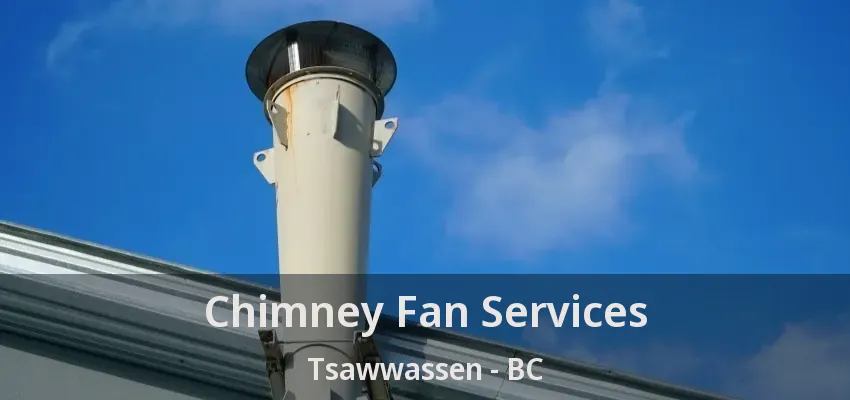
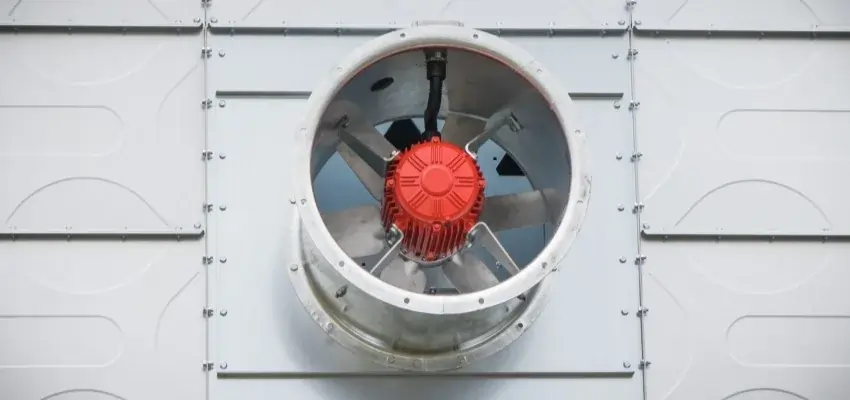
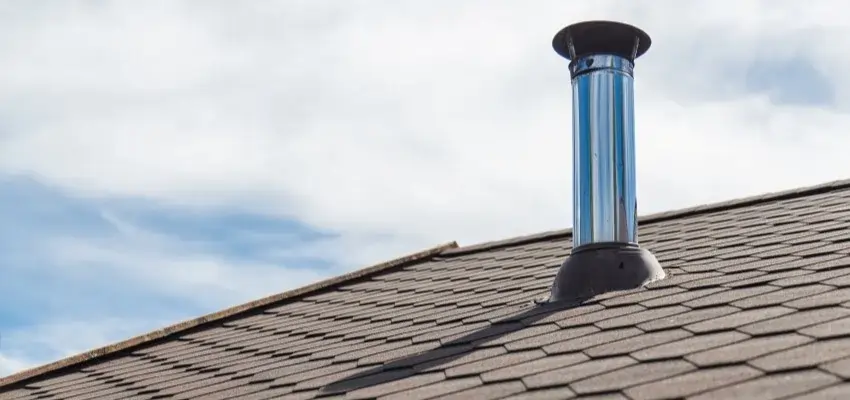
A chimney fan is an electric exhaust fan mounted on top of the chimney that pulls smoke and gases up the flue. It helps when natural draft is too weak, which can happen with short chimneys, chimneys sheltered by taller rooflines or trees, oversized fireplace openings and tightly sealed homes. You control it from a switch or speed dial indoors. It can solve many smoking fireplaces, but not all of them: a blocked flue, a closed damper or a crumbling liner has to be fixed first, because a fan only moves air through a path that is already clear and sound.
Many chimney fans are designed for wood-burning fireplaces and stoves, and some models are made for gas appliances, but the fan must suit both the appliance and the flue. Size, temperature limits and safety controls differ between models. Some installations include a switch that shuts the appliance down if the fan stops, which matters most with gas. The venting of any gas appliance should be reviewed by a qualified gas technician before a fan is added. When you ask about “chimney fan services”, describe exactly what burns in that chimney so the company can confirm the fan type before quoting.
It depends on the damage, so the safe default is to hold off until someone has looked at it. Cosmetic problems on the outside, such as a stained brick face, rarely affect how a fireplace works. Damage inside the flue, a cracked liner, a damper stuck shut or a blocked vent is different, because smoke and hot gases may not leave the house the way they should. If you notice smoke spilling into the room, a strong smell or soot where there was none before, stop using the fireplace. Keep working carbon monoxide alarms on every level of the home either way.
The most common signs show up as water, debris or poor performance. Watch for:
Outside, look for white staining on the bricks, gaps in mortar joints and a cap or flashing that looks loose. Any one of these is worth a closer look by someone who can reach the chimney safely.
We suggest once a year for most chimneys, with extra visits after anything unusual. A yearly look from the roof and up the flue shows us how earlier repairs are holding and whether anything new has appeared. Events that justify an extra check include a strong windstorm, hail, a lightning strike nearby, a roofer working around the chimney and any time an appliance is added or swapped. A chimney you never use is not exempt; some of the worst weather damage we find is on chimneys nobody has looked at in years, simply because no one noticed the warning signs inside.
After a repair, the main job is to watch for changes and keep water and debris away from the chimney. Follow any instructions about when the fireplace can be used again, since new mortar or crown material may need time to cure. In the first few rains, check the ceiling and walls near the chimney for stains and look in the firebox for water or debris. Keep tree branches trimmed back from the chimney top and the gutters near it clear. Book a yearly inspection so small wear is caught early, and file the paperwork from the repair for future reference.
A chimney fan needs a regular cleaning and a quick mechanical check, usually during the yearly chimney sweep. Soot and creosote build up on the fan wheel and housing, which can unbalance it and reduce airflow, so the technician opens the unit, cleans those parts and checks that the motor turns freely and quietly. Wiring, the mounting base and the indoor speed control get a look too. Many fans are hinged so the flue can still be swept from the top. If you are looking into “chimney fan services”, ask whether fan cleaning is included with sweeping or quoted separately.
Compare the scope first, because most differences we see between quotes come from what is included, not from skill. One company may plan to coat a cracked crown; another may rebuild it. One includes new flashing; another reseals the old metal. Before choosing, line the quotes up and ask each company the same three questions: what exactly is being fixed, what is causing the problem and what is the plan if more damage turns up. The answers usually explain the price gap. A quote that deals with the cause, not just the symptom, generally gives more value over time, even when it is not the lowest figure on the table.
Choose a chimney repair company that inspects before it quotes, explains the cause of the problem and shows you evidence such as photos. A good company will tell you what it plans to fix, what materials it will use and what the work will not cover. Ask whether its own crew does the work, how it protects your home and roof and how it handles hidden damage found mid-job. Read recent reviews for comments about communication and clean-up. Be cautious about anyone who wants a large rebuild without showing why, or who only offers to coat everything with sealant.
We are glad to explain the process, the likely timing and what affects the price before you decide anything. Most people find that a few minutes of conversation answers the questions this page could not. Send us a message and we will reply with clear next steps.
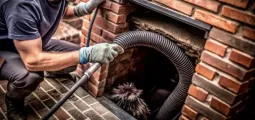
A swept flue and plain answers: Chimney Cleaning in Tsawwassen
Careful Chimney Sweep for wood fireplaces and stoves in Tsawwassen
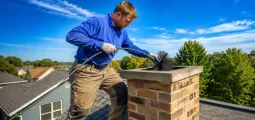
From roof cap to firebox, Chimney Sweep Services in Tsawwassen
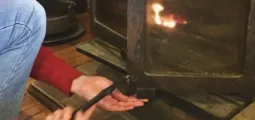
Before relighting in Tsawwassen, a visit from Fireplace Experts
Fireplace smell at startup? Gas Fireplace Cleaning in Tsawwassen
A record of every Gas Fireplace Maintenance visit