Every quote starts with a quick conversation. Share a few details here and we will price out Chimney Saver Tsawwassen
You do not need a long lecture to make a good decision about your chimney, just clear answers to the right questions. That is what this page aims to give anyone in Tsawwassen who looked up “chimney saver”. Each answer covers one part of chimney waterproofing, from basics and warning signs to preparation, aftercare and choosing who should do the work. Start wherever your own question begins.
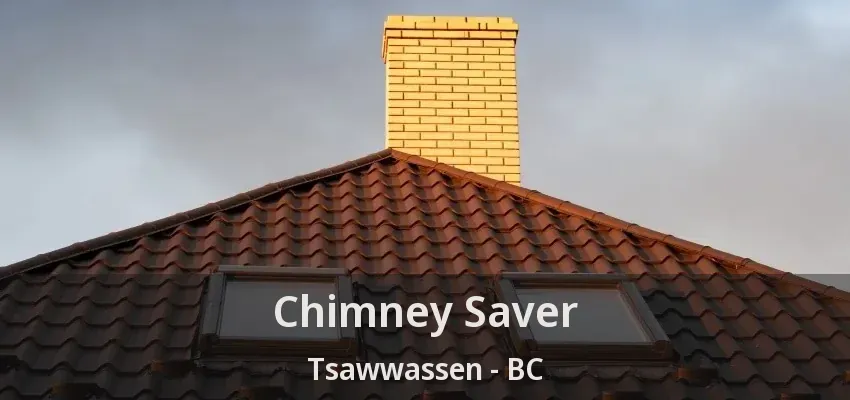
It depends on which side of the chimney the problem lives. Shingles, underlayment and roof decking are roofing work, and a good roofer does them well. Anything that carries smoke or heat, from the flue tiles to a prefab chimney pipe, is where chimney training matters, because mistakes there affect safety inside the house rather than just weatherproofing. We often work alongside roofers, especially during a reroof, so flashing and chimney repairs are coordinated. A company that knows its limits and says so plainly is usually the one to trust with the rest.
The phrase is used both ways. It is the name of a commercial masonry water repellent, and many people also use it loosely for any waterproofing applied to a chimney. Either way, what matters is the type of product rather than the label: a breathable, penetrating repellent made for brick and mortar, applied after repairs on a clean, dry surface. A company offering chimney waterproofing should tell you which product it plans to use, why it suits your masonry and how long it typically lasts. That way you know exactly what is going on your chimney and when it will need another coat.
Signs fall into three groups, and the second one is the most urgent. Water clues: stains, a musty smell after rain, bricks that stay dark long after a storm. Heat and smoke clues: draft that has weakened, smoke in the room, an odor in the walls beside the flue, a chimney fire you heard roar. Structural clues: a loose pot, cracked tiles dropping into the firebox, a top that looks out of line. Any of these is reason enough for a closer look, and with heat and smoke clues the appliance should stay cold until the chimney has been checked.
A careful crew protects your home by covering the hearth and nearby floor, sealing the fireplace opening when soot or dust could escape and using vacuums with fine filters for any debris. Outside, tarps go over shrubs, decks and roof sections where tools or materials sit, and ladders are padded where they touch gutters or siding. Some jobs create very little mess, while others, such as removing old flue tiles, produce more. Ask what protection is planned for your job, and move valuables and furniture away from the fireplace before the crew arrives.
Our estimates come down to labor, access and parts, with an allowance for what the chimney might be hiding. Labor depends on how many steps the job has and whether curing time stretches it over several days. Access depends on the roof and the yard: steep slopes, tall stacks and tight spaces add setup. Parts range from a repellent or a clay pot to a full liner or a factory-built system that has to match the fireplace. We would rather explain all of that before the job than surprise you halfway through, so we price each part separately.
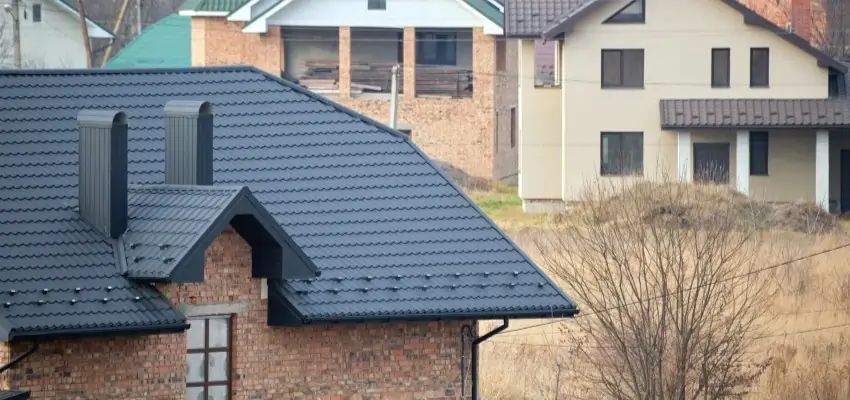
Yes for some jobs and no for others, so we check the forecast before almost every one. Rain and frost are the big two: wet brick will not take a repellent, freezing nights spoil fresh mortar and icy shingles make roof work unsafe. Extreme heat can be a problem too, drying mortar too fast. That is why spring and fall are our busiest seasons for masonry and waterproofing. Liners and pots are more flexible and can often be fitted in cooler months on a dry day. If a weather window closes, we move the date, because a rushed job in poor conditions rarely holds up.
Many chimney jobs take a single day, while larger projects can run several days or more. Fitting a pot or cap, applying a water repellent or making a small flue repair is usually done in one visit. Relining a flue or installing a factory-built chimney often takes a full day, sometimes two. Remodeling, rebuilding or replacing large sections of masonry stretches longer, because mortar and concrete need curing time between steps. Weather can add days to any outdoor work. Ask for both the hours on site and the total span from start to finish.
Repairs and dry weather come first. Cracked crowns, failed mortar joints, loose flashing and damaged bricks should be fixed, since a repellent cannot seal gaps. New mortar needs time to cure before it is coated, so ask your contractor how long to wait. The masonry is then cleaned of dirt, moss and loose deposits and allowed to dry thoroughly, often for a day or more after rain. Nearby windows, siding and plants are protected from overspray. If you are booking “chimney saver” work, plan it for a stretch of mild, dry days.
Tell the company what the chimney is made of, what it serves and what you want done or have noticed. Mention the type of fireplace or appliance, how many stories the house has, how steep the roof is and whether the chimney is brick, stone or a framed chase. Share any history: past repairs, a chimney fire, recent roof work or a new appliance. A few photos of the chimney from the yard and of the fireplace help a lot. These details let the company bring the right parts and give you a realistic estimate.
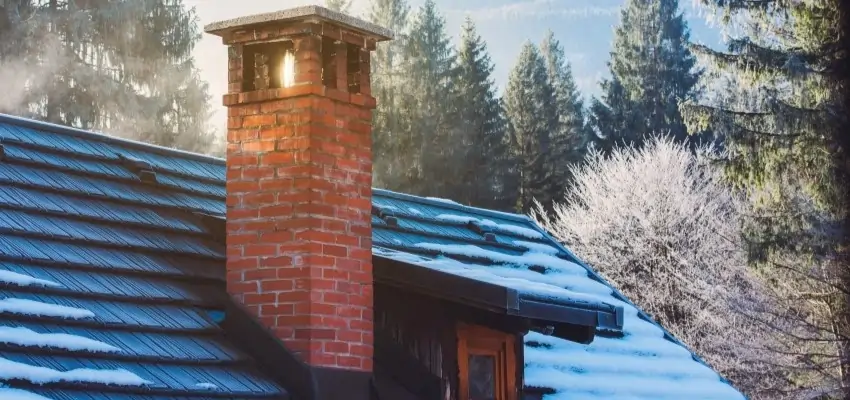
We would rather explain one thing clearly than list ten things you do not need. Ask us what matters for your home in Tsawwassen and we will give you a straight reply. Get in touch with Chimney Sweep Tsawwassen whenever you are ready.
A swept flue and plain answers: Chimney Cleaning in Tsawwassen
Careful Chimney Sweep for wood fireplaces and stoves in Tsawwassen
From roof cap to firebox, Chimney Sweep Services in Tsawwassen
Before relighting in Tsawwassen, a visit from Fireplace Experts
Fireplace smell at startup? Gas Fireplace Cleaning in Tsawwassen
A record of every Gas Fireplace Maintenance visit