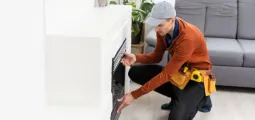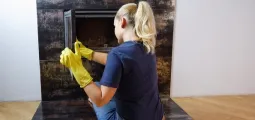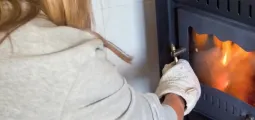
Every quote starts with a quick conversation. Share a few details here and we will price out Fireplace Firebox Services Tsawwassen
Fireplace vocabulary can be confusing: firebox, throat, smoke chamber, surround, hearth extension. This page cuts through it. If you are in Tsawwassen and found us by looking up “fireplace firebox services”, you will find straightforward explanations of firebox repair in everyday words, without jargon or pressure. Start with the parts that match your project and keep the rest for later, when the next question comes up.
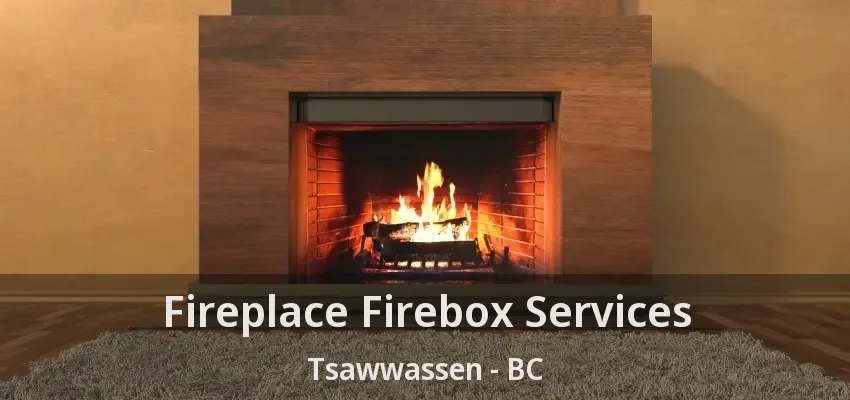
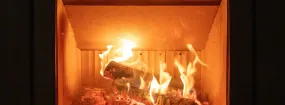
The firebox is the chamber where the fire actually burns: in a masonry fireplace, walls and a floor of firebrick set in refractory mortar; in a factory-built unit, a metal box lined with refractory panels. It takes more heat than any other part of the fireplace, so it wears first. Typical problems are cracked or flaking bricks, eroded mortar joints, a bulging back wall and, in factory-built units, cracked or crumbling panels. Anyone researching “fireplace firebox services” should know which type they have, since the repair methods for brick and panel fireboxes are quite different.
Remodeling changes how a fireplace looks or what it burns, while repair restores parts that have worn out or been damaged. Refacing, a new mantel or a wood-to-gas conversion are remodeling jobs. Fixing cracked firebricks, a stuck damper, a deteriorated smoke chamber or rusted metal parts is repair. Many projects include both: a makeover often uncovers damage that should be fixed while the area is open, and a repair can be a good moment to update the finish. Knowing which kind of work you need helps you find the right people and compare quotes fairly.
Mortar falls out of a firebox when the joints have broken down from heat, moisture or the wrong material. Years of fires expand and contract the bricks, which loosens weak joints, and water from a leaking chimney speeds that up. A common culprit is an earlier repair done with ordinary mortar, which crumbles in direct heat much faster than refractory mortar. Sandy grit in the ash or gaps you can see between bricks are the clues. Raked-out joints let heat reach the masonry behind the firebox, so if crumbling joints sent you searching for “fireplace firebox services”, have them checked before the next fire.
Heat cycling does most of the damage, with help from moisture and knocks. Every fire expands the face of the brick faster than its back, and over many seasons that stress opens cracks. Water from a missing cap or a damaged crown soaks into the brick and freezes or turns to steam, which flakes the surface away. Grates jammed against the back wall and heavy logs tossed in chip the edges. When we inspect, we tap and probe: a cracked brick that is still tight gets noted, while one that moves, or a joint we can rake out with a finger, gets repaired.
The problems that concern us most are the ones that let heat or smoke go where they should not. Open cracks in the firebox, mortar joints washed out deep enough to catch a fingernail, a smoke chamber shedding chunks onto the smoke shelf and a damper plate rusted through all fall into that group. Cosmetic issues, like hairline crazing in a tile surround or a scuffed mantel, can be planned around your schedule. When homeowners send photos, we usually ask for three: the firebox walls, the view up past the damper and the outside of the chimney.
A careful crew protects the room with drop cloths, plastic sheeting and tape before any cutting, chipping or grinding starts. Masonry and tile work create fine dust, so the fireplace opening is often sealed and a vacuum with fine filtration runs during the dustiest steps. The flooring in front of the hearth and the path to the door should be covered too. Expect some noise and a little dust despite the precautions, especially if old mortar or a surround is being removed. Ask how cleanup is handled at the end of each day and once the job is done.
When we price fireplace work, we are estimating labor hours, materials and risk. Labor depends on how much needs to come apart, how tight the space is and whether the job calls for skilled masonry, carpentry or gas fitting. Materials range from inexpensive tile to heavy natural stone that needs extra support. Risk is the unknown: an old surround can hide damaged brick or framing that has to be fixed before anything new goes on. We explain up front how any extra work would be handled and priced, so a surprise behind the wall does not become a surprise on the invoice.
Clear the area around the fireplace well beyond the hearth: furniture, rugs, artwork above the mantel, screens, tools and anything on the mantel shelf. Stop using the fireplace a day or two before so the firebox is cold, and remove ashes if the crew asks you to. Plan a clear path from the door to the room and a spot to stage materials, such as a garage or driveway. If you are choosing finishes, have samples approved before the start date. Keep pets and children away from the work area and agree on where the crew can wash tools.
Ask the contractor for a specific date, because it depends on the materials used. Mortar, refractory cement and some adhesives need time to cure before they face heat, and lighting a fire too soon can crack fresh joints or loosen new finishes. After masonry work, the first fires are usually kept small to drive out remaining moisture gradually. Gas conversions are tested by the installer before handover. Keep the first few fires modest, watch for smoke in the room and make sure your smoke and carbon monoxide alarms work.
Not every issue makes a noise or a smell before it grows. A routine look at your fireplace is the simplest way to find out where things stand. Call (778) 601-9107 and book firebox repair with the Chimney Sweep Tsawwassen team.
A swept flue and plain answers: Chimney Cleaning in Tsawwassen
Careful Chimney Sweep for wood fireplaces and stoves in Tsawwassen
From roof cap to firebox, Chimney Sweep Services in Tsawwassen
Before relighting in Tsawwassen, a visit from Fireplace Experts
Fireplace smell at startup? Gas Fireplace Cleaning in Tsawwassen
A record of every Gas Fireplace Maintenance visit