The gas train on these units is either a millivolt valve on the older and non-IPI models or an electronic IFC module driven from a Proflame 2 handset on the current ones. Chimney Sweep Tsawwassen sends a licensed gas technician who tests the one you have in the order the maker's own manual sets out. Logs, embers, fans, and glass are covered on the appliance repair page; this page stays on the gas fireplace repair side: gas, ignition, and venting.
The maker's manuals put pressure testing and burner adjustment in their own chapter, and that chapter is the backbone of our gas fireplace repair visit on these units. Inlet pressure is read first, with the house's other gas appliances running, then manifold pressure at the valve test port against the figure on the testing label for the fuel in use. A reading that is right at rest and wrong under load points at supply, and a reading that is wrong at both points at the valve.
The burner itself has an air adjustment. On a unit the factory tuned by hand, the shutter position decides whether the flame is the orange, balanced one the brand is known for or a blue, lifting one. We set it with the logs in place and the glass on, because the flame reads differently with the front open. Leak solution goes on every joint we have disturbed and every one we can reach without disturbing, and the manifold pressure is written on the service record for next time.
The Chaska 335S is still offered as a millivolt insert, and the older non-IPI versions of the Chaska and its relatives run the same way. They carry a standing pilot, a thermocouple, a thermopile, and a valve that opens on the thermopile's output with no electricity involved. Their repairs are a pilot cleaned, a thermopile read under load, and a valve replaced only when the pressure readings say so.
The current units use a Proflame 2 IFC module, which sparks the pilot on demand, proves it with a sensing rod, and takes its commands from a handset, usually with a battery backup for outages. The maker's manual walks through the module setup and the ignition sequence, and so do we, because a module that was never set up correctly for the fuel or the fan behaves like a faulty one. Repairs on these begin at the handset pairing and the batteries, then go to the sensing rod, then the module, with the valve last.
The gas complaints we hear around Tsawwassen on these fireplaces divide between the two ignition generations and the vent, and the usual cause follows each symptom.
Flame slow to spread across the burner - ports under the signature logs buried by ember material, so gas reaches the far end late.
Fire cycles off and on every few minutes - an IFC module losing the sensing rod signal, from a coated rod, a loose ground, or a draughty glass gasket.
Blue, lifting flame after a fuel switch - the conversion done without the burner air shutter and manifold pressure reset for the new fuel.
Low flame with the handset on high - manifold pressure under the label figure, or a regulator that has drifted.
Handset says ignition but no click is heard - a cracked electrode, a module without power, or a spark lead that has chafed through.
Gas odour near the access panel - a fitting weeping at the valve or pilot tube; turn the gas off and leave it off until it has been leak-tested.
A Kozy Heat insert such as the Chaska or the Nordik 34i vents through two flexible liners up the old chimney, one for exhaust and one for air, which join at the top in a co-linear to co-axial termination. The brand's own vent kit and cap, listed in the manual alongside an approved rigid vent, are the parts we check at the chimney top. A crushed liner or a cap packed with debris shows in the flame long before anyone notices outside.
The zero-clearance fireplaces vent through coaxial pipe with a short vertical rise required at the firebox and a long maximum run. The Nordik series can also take a power vent for terminations the natural draft cannot reach. A power-vented unit depends on its fan proving before gas flows, so it will not run in an outage. Every home with one of these units needs a working carbon monoxide alarm nearby, and if it sounds, or a headache sets in, or soot appears on the logs, the unit goes off and we get a call. With its pressures set and its burner adjusted every year, a gas fireplace from this maker keeps its factory flame for many winters.
Say whether the fireplace has a handset or a wall switch, whether the pilot lights, and what fuel it burns, and send the silver testing label if you can. The first visit then runs the pressure and burner sequence above, tests the ignition for its generation, and inspects the vent or liners. Chimney Sweep Tsawwassen is licensed and insured for this gas work, and a single trip settles most gas-side faults on this brand.
Phone (778) 601-9107 to set a time. Owners across Tsawwassen who would rather send the label first can contact us online, and we reply with a date and the pilot parts we expect to carry.
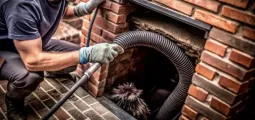
Keep your home safe and your chimney spotless in Tsawwassen. Our professional chimney cleaning team removes buildup so your fireplace works as it should.
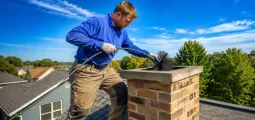
Experience the difference a thorough chimney sweep can make in Tsawwassen. We clear soot, blockages, and hazards so your home stays warm and secure.
Comprehensive chimney sweep services are just a call away in Tsawwassen. From creosote removal to smoke draft solutions, we’ve got your chimney covered.
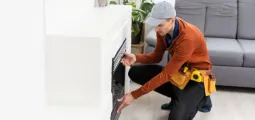
Need reliable fireplace solutions in Tsawwassen? Our fireplace experts handle everything from inspections to complete restorations with precision.
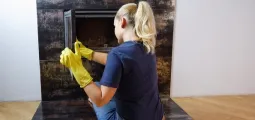
Restore the clean, cozy feel of your fireplace in Tsawwassen. Our gas fireplace cleaning removes buildup and leaves your unit running smoothly.
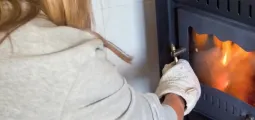
Stay warm all season long with expert gas fireplace maintenance in Tsawwassen. We inspect and service all key components to prevent issues before they start.