Every quote starts with a quick conversation. Share a few details here and we will price out Wood Stove Chimney Services Tsawwassen
A chimney does its work out of sight, carrying smoke and combustion gases up and away while most of its inner surfaces stay hidden behind brick, metal or drywall. That is why so many questions come up once someone starts looking into “wood stove chimney services”. Below, you will find direct answers about wood stove chimney care for properties in Tsawwassen, written by people who spend their days on roofs and at hearths. There is no jargon here and no pressure, just the practical side of the job.
The clearest sign a chimney needs sweeping is black, flaky buildup you can see on the damper or falling into the firebox. Other clues often show up alongside it:
Any one of these is worth a check. Two or three together usually mean the flue is overdue.
Look for rust spots, discolored or bluish metal, joints that have pulled apart or show gaps, and dark streaks or sticky drips of tar at the seams. Smoke or a smoky smell near the pipe while the stove is burning means something is leaking. A pipe that rattles, sags or has lost its screws also needs attention. Single-wall pipe should keep its proper distance from walls and ceilings. If you notice any of these, let the stove go cold and book wood stove chimney care before relighting, since a failing connector sits close to the hottest part of the system.
Signs of a chimney fire include a loud roaring or popping sound, dense smoke, a strong hot smell and sparks or flames from the top of the chimney, but many chimney fires burn quietly and are only discovered later. Afterward you might notice puffy, honeycomb-like flakes of creosote on the roof or ground, a warped damper or cap, cracked flue tiles or discolored metal. If you think a fire is happening, get everyone outside and call the fire department. If you suspect one happened in the past, stop using the fireplace or stove until the chimney has been inspected.
Glazed creosote comes off with tools and time, since an ordinary brush glides over it like a broom on ice. We describe creosote in three stages: a loose, sooty layer that brushes away, a crunchy, flaky layer that needs stiffer heads, and a glossy third stage that clings to the liner like candy coating. For that last stage we use rotary heads with chains or cutting blades, spun on a drill and matched carefully to the liner so we do not damage it. Chemical modifiers help too, turning the glaze into a brittle crust we can sweep out later. Each method has limits, so we explain them first.
A standard chimney sweep usually takes about an hour to an hour and a half for a single flue. Expect more time if there are several flues, if a stove or insert has to be disconnected, if the roof is steep or high, or if the buildup is heavy or glazed. A camera inspection or a written report adds a little more. Plan to be available for the whole visit and for a short conversation at the end, when the technician explains what was found. If your day is tight, describe your setup when booking so the company can give you a realistic window.
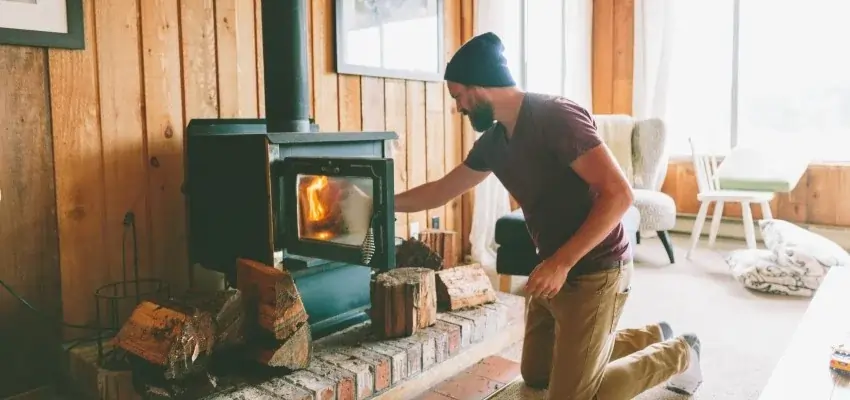
Most wood stove chimneys need sweeping at least yearly, often more frequently than an open fireplace, and we base the schedule on how the stove is used rather than a fixed date. A stove that runs day and night through the coldest months can coat its pipe and flue in a matter of weeks if the wood is damp or the air control is turned right down. For those homes we often suggest a sweep before the season and a quick inspection midwinter. A stove lit mainly on weekends may be fine with one visit a year. After a few seasons of notes, the right interval becomes obvious.
You can reduce creosote buildup mostly by burning dry wood in hot, lively fires. Use firewood that has been split and stacked under cover for several months, longer for dense hardwoods, and consider an inexpensive moisture meter to take the guesswork out. Give the fire enough air instead of letting it smolder, and avoid packing a stove full and shutting the air down overnight. Never burn trash, cardboard, painted or pressure-treated wood, or a holiday tree. Smaller, hotter loads leave less behind than big, smoky ones. These habits will not replace sweeping, but they slow the buildup noticeably.
Yes. Any new installation, relocation or swap of one stove for another changes how the system works, so it deserves a professional look before regular use. The technician checks that the connector pipe is the right size and properly secured, that the chimney suits the new stove and that clearances to walls, floors and furniture follow the stove maker’s instructions. Hearth protection under and in front of the stove matters too. If you are arranging “wood stove chimney services” after a renovation, mention any changes to nearby walls or flooring, since those can affect clearances as well.
If the sweep finds damage, ask to see it, ask what it means for safety and get a written quote before you agree to anything, since a sound recommendation can always be shown and explained. Photos or camera footage should make the problem clear. Ask whether the fireplace or stove can be used in the meantime, and which repairs are urgent and which can be planned. Common findings include a cracked crown, loose flashing, a rusted damper, a missing cap or cracked flue tiles. For larger jobs, such as relining, a second opinion is reasonable. Avoid deciding under pressure on the doorstep.
A new address is a good moment to find out the real condition of your stove chimney, since previous owners rarely leave notes. Chimney Sweep Tsawwassen can take a look and tell you what is fine and what deserves attention. Book a visit while you are settling in.
A swept flue and plain answers: Chimney Cleaning in Tsawwassen
Careful Chimney Sweep for wood fireplaces and stoves in Tsawwassen
From roof cap to firebox, Chimney Sweep Services in Tsawwassen
Before relighting in Tsawwassen, a visit from Fireplace Experts
Fireplace smell at startup? Gas Fireplace Cleaning in Tsawwassen
A record of every Gas Fireplace Maintenance visit